

marko • 3 months ago
Let’s be real: minor collision work in Alexandria usually lands somewhere between a few hundred bucks and $1,500. Serious repairs? Those can easily jump to $2,000–$10,000 or more, depending on the damage and what parts you need. We’ll break down realistic 2026 estimates, what actually pushes the price up, and how you can avoid getting hit with surprise costs.
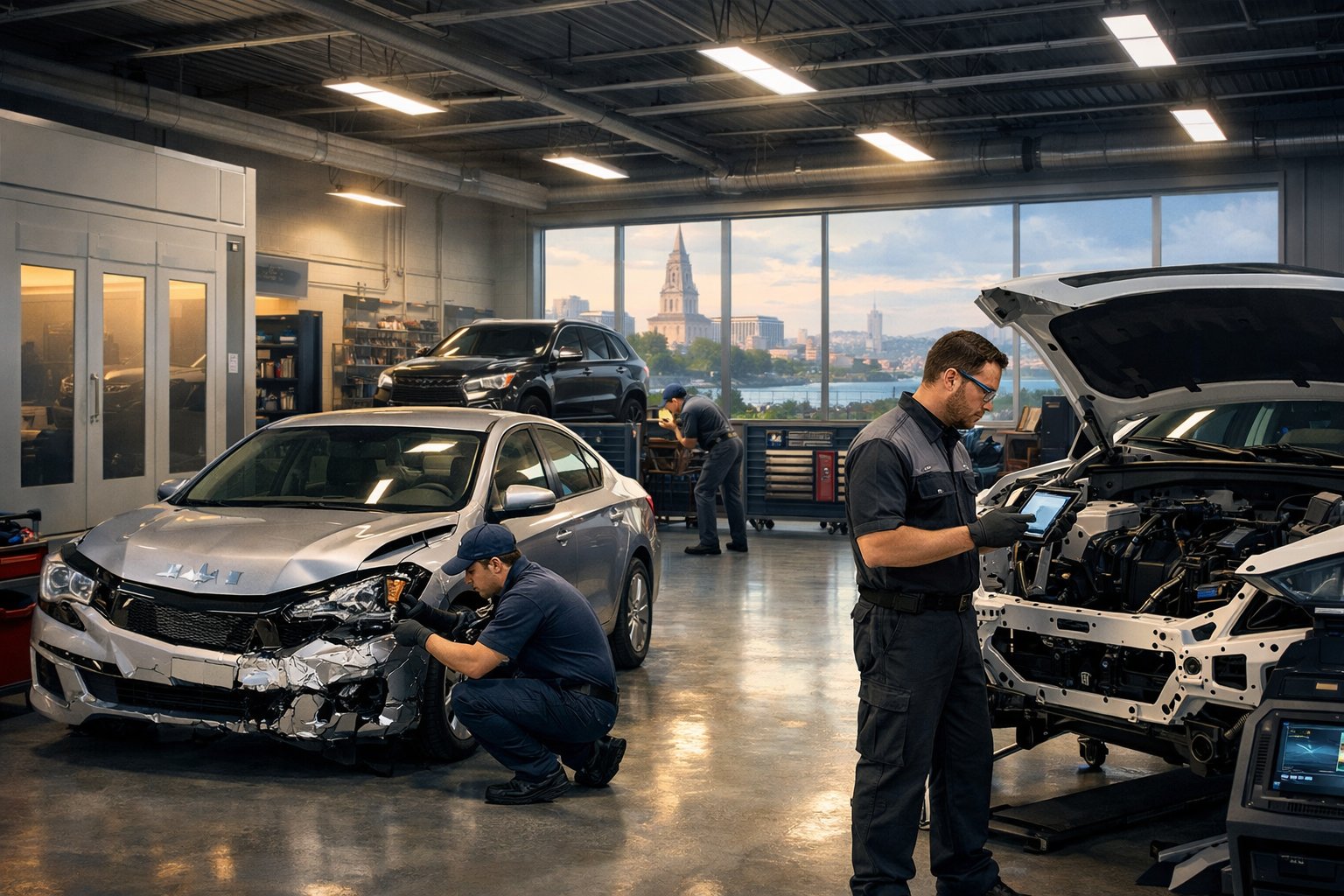
We get it—repair quotes can feel overwhelming. That’s why we walk you through how shops like Fast Lane Collision check out the damage, which repairs you can actually choose to save money, and why going with a reputable, certified shop really matters for your safety and your car’s value.
When you trust experienced techs, you get fair prices and a repair that actually lasts.
Key Takeaways
- Small repairs usually cost a few hundred, major repairs can run into the thousands.
- Pick a certified, reputable shop to protect your car’s value and your safety.
- Always get multiple estimates and ask about parts, paint, and labor before you choose.
Collision Repair Costs in Alexandria, VA: 2026 Estimates
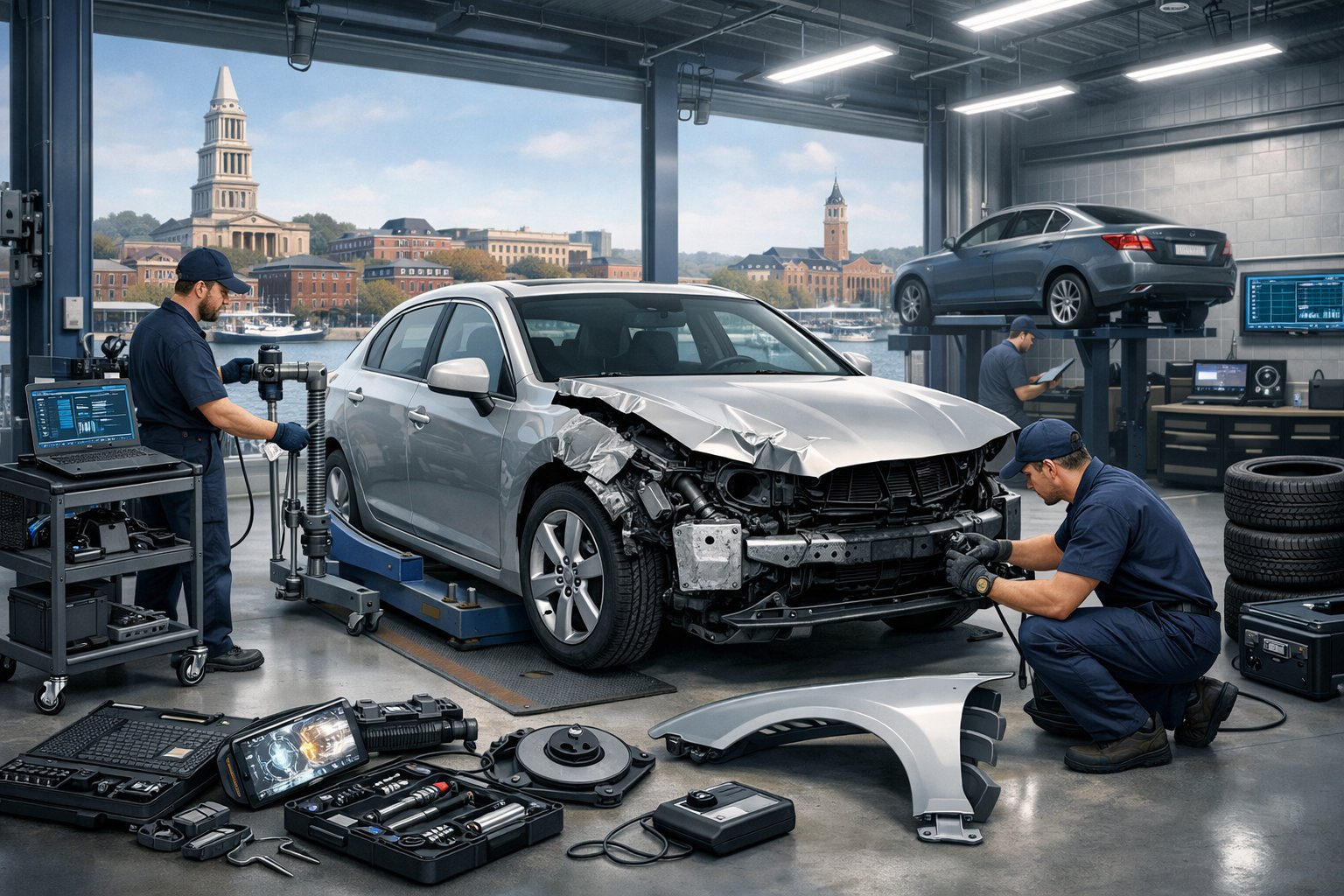
Here’s what you can expect to pay at an auto body repair shop in Alexandria, Virginia. We’ll give you some real numbers for common fixes, show what makes prices climb, and explain how shop certification can change the bill.
Average Price Ranges for Common Repairs
Most customers in Alexandria end up paying somewhere in these ranges at local collision shops.
- Small scratch or touch-up: $150–$500.
Quick color matching and spot paint jobs are typical here. - Minor dent removal (paintless, if possible): $200–$800.
Works best if the dent doesn’t mess up the paint. - Dent repair with paint work or panel blending: $400–$1,500.
Includes sanding, primer, paint, and clearcoat. - Bumper repair or replacement: $500–$2,000.
Price goes up if sensors or special mounts are involved. - Door or quarter-panel replacement: $800–$3,000.
Labor and panel alignment really drive the cost here. - Frame or major collision repair: $2,000–$10,000+.
Structural work, alignment, and safety systems add time and money.
Get a few written estimates before you decide. We at Fast Lane Collision always give you a clear, itemized quote and walk you through your parts choices.
Breakdown by Repair Type: Dent, Bumper, Scratch, and More
Dent removal often takes less labor if we can use paintless techniques.
Paintless dent removal (PDR) stays cheaper if the paint isn’t damaged. If PDR won’t cut it, we have to fill and paint, which adds cost.
Bumper repairs get pricey when sensors, cameras, or alignment mounts need adjustment. Replacement parts—especially OEM—can really bump up the price for certain makes.
Scratch repair depends on how deep it goes. Surface scratches? We can usually buff and polish those for a small fee. Deep scratches that hit bare metal need rust treatment, filler, and a full repaint.
Panel replacement (like doors or fenders) combines parts, labor, and paint blending. We always tell you if we’re using OEM or aftermarket parts and how that affects fit and warranty.
Factors That Influence Repair Costs
Location, labor rates, parts, and tech all matter here in Alexandria.
Labor in Northern Virginia costs more than in rural areas. Central Alexandria shops might charge more per hour than those farther out.
Parts choice makes a difference. OEM parts cost more but fit better. Aftermarket parts can save you money but sometimes don’t fit as well or hurt resale value.
Modern cars cost more to fix when sensors, cameras, or ADAS systems need recalibration. That work needs special gear and certified techs.
Shop reputation, warranty, and how quickly we can get your car back to you also affect the price. We try to balance fair pricing with quality and safety every time.
Costs by Shop Certification and Expertise
Certified shops usually charge a bit more, but you get credentialed work and a stronger warranty.
Manufacturer-certified centers (like Toyota or Honda) follow factory procedures and use factory parts. That can bump up the estimate but helps keep your car’s value and safety features intact.
Independent shops might be less expensive. Still, make sure they have ASE-certified techs and proper paint-matching equipment so you don’t end up with poor fits or mismatched colors.
At Fast Lane Collision, we hold certifications and use calibrated equipment for things like ADAS resets. We’ll explain how certification affects cost and help you find options that fit your budget without cutting corners.
Choosing the Right Collision Repair Shop in Alexandria
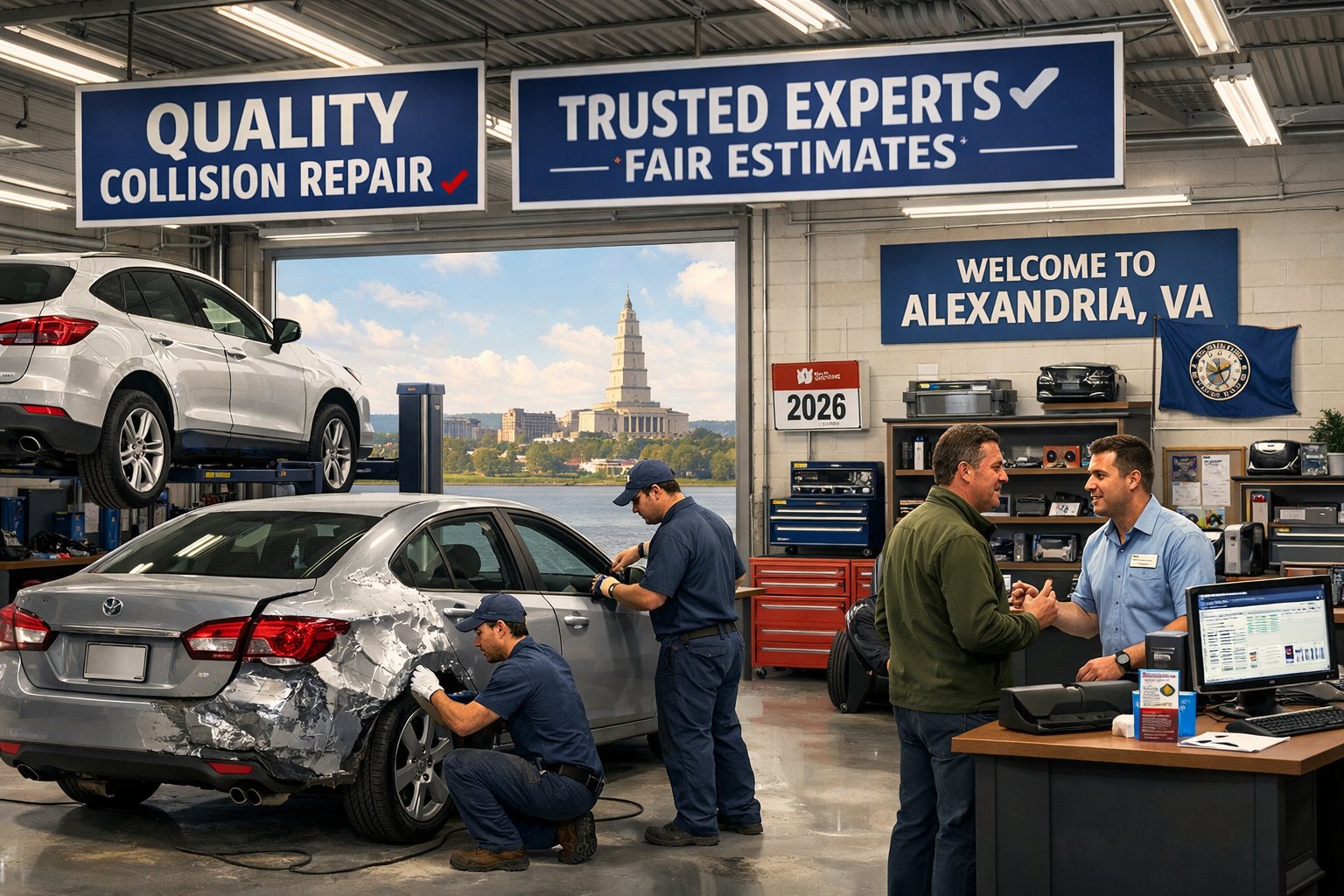
We look for shops that give clear prices, use certified technicians, and work well with insurance. Pick a repair center that documents everything, gives you a solid timeline, and stands behind their work.
Importance of Certified Body Shops
We always recommend certified body shops because those certifications mean real training and factory standards. Look for GM certified, KIA certified, Hyundai certified, Chrysler certified, and Assured Performance certified shops. Certification matters for structural repairs, airbag systems, and following warranty-safe procedures.
Certified shops use factory repair procedures and diagnostic tools. That helps catch hidden damage and keeps your factory warranties safe. If you want a reputable, fast, and accountable auto body shop, Fast Lane Collision checks those boxes.
Ask to see a shop’s certificates, technician I-CAR or ASE credentials, and some examples of their finished work. Get a written estimate that spells out parts (OEM or aftermarket), paint process, and how long the job should take.
Role of Insurance Claims in Repair Costs
We handle insurance claims all the time and always suggest getting more than one estimate. Your insurer might have preferred shops, but you can pick any reputable shop you want. Using a certified shop helps avoid future headaches over workmanship or parts.
Give your insurer our estimate and photos. Double-check if your policy covers OEM parts or only aftermarket. We document everything and send itemized invoices so insurers pay what they should and you don’t get stuck with surprise bills.
If your car gets totaled, we explain how insurers value it and what repair versus replace really means for your payout. We’ll also help you with rental cars and claim approvals to keep things moving.
Benefits of Automotive Refinishing and OEM Parts
We put a big focus on proper automotive refinishing to match color and protect your car’s metal. Good refinishing prevents rust and helps your resale value. Ask if the shop uses computerized color-matching and multi-stage clearcoats.
Choosing OEM parts keeps your car’s fit, safety, and performance where it should be. OEM parts are often needed for warranty compliance. If OEM parts aren’t available or are too expensive, talk with us about certified aftermarket options and why we’d use them.
At Fast Lane Collision, we use OEM parts when you ask for them and document any alternatives. We’ll show you before-and-after photos, part numbers, and paint details so you know exactly what we did.
Frequently Asked Questions
We cover typical price ranges, how to get free estimates, what pushes costs up, and why shop choice matters. Check out these answers before you decide if you want to repair, replace parts, or just give us a call at Fast Lane Collision.
What is the average cost of front end collision repair in Alexandria, VA?
Front end repairs usually run between $800 and $3,000 for most cars. Minor bumper, headlight, and grill work stay on the lower end. Structural damage, radiator or frame repairs, and airbag replacement can push costs higher.
Luxury or newer cars with advanced sensors often go over $3,000. We always check sensor and frame damage closely, since hidden issues can drive up the final bill.
How can I get a free estimate for auto body repair in Alexandria, VA?
Just reach out to local shops for a digital or in-person estimate. We offer free estimates and can send photos, itemized repair plans, and parts options to your insurer.
Bring photos of the damage, your car info, and any claim numbers to speed things up. We work directly with insurers to cut down on the back and forth.
Are rear-end collision repair costs typically higher than other types of repairs?
Not necessarily. Minor rear-end damage like bumper scuffs and small dents usually cost less than front-end repairs. Costs go up if the trunk structure, frame, or rear sensors need work.
We see higher bills when trunks, tow hooks, or rear crash supports get damaged. Those parts and sensor recalibration add more labor and parts cost.
What factors influence the total expense of collision repair in Alexandria, VA?
Severity of damage is the big one—cosmetic fixes are cheaper, but structural and sensor repairs cost more. Parts choice (OEM or aftermarket), labor rates, paint complexity, and whether recalibration or frame work is needed all factor in.
Insurance deductibles, parts availability, and shop certifications affect the final price and how long repairs take. We recommend certified repairs to keep your safety systems and car value protected.
How does the make and model of a vehicle affect repair estimates after an accident?
Higher-end brands and cars with ADAS (advanced driver-assist systems) almost always cost more to fix. Specialized parts, multi-stage paints, and sensor systems need trained techs and special tools.
Economy cars and older models usually have cheaper parts and simpler repairs. We’ll check your specific model up front and explain any cost differences.
Is there room to negotiate collision repair estimates with shops in Alexandria, VA?
Yeah, there’s a bit of wiggle room. You can ask us about using aftermarket or recycled parts, or check if we offer price-matching or bundled discounts.
We’ll walk you through your options and explain the warranty differences, so you can decide what makes sense for your wallet.
But honestly, we don’t recommend cutting corners when it comes to sensor work or structural repairs. At Fast Lane Collision, we stand behind our certified repairs with written warranties and keep our pricing straightforward.