

marko • 5 months ago
Finding your car’s Vehicle Identification Number (VIN) isn’t as tough as it sounds. You’ll usually spot the VIN on the lower left side of the dashboard, peeking through the windshield on the driver’s side.
You can also swing open the driver’s door and look at the edge where it latches. That’s another common place for the VIN sticker.
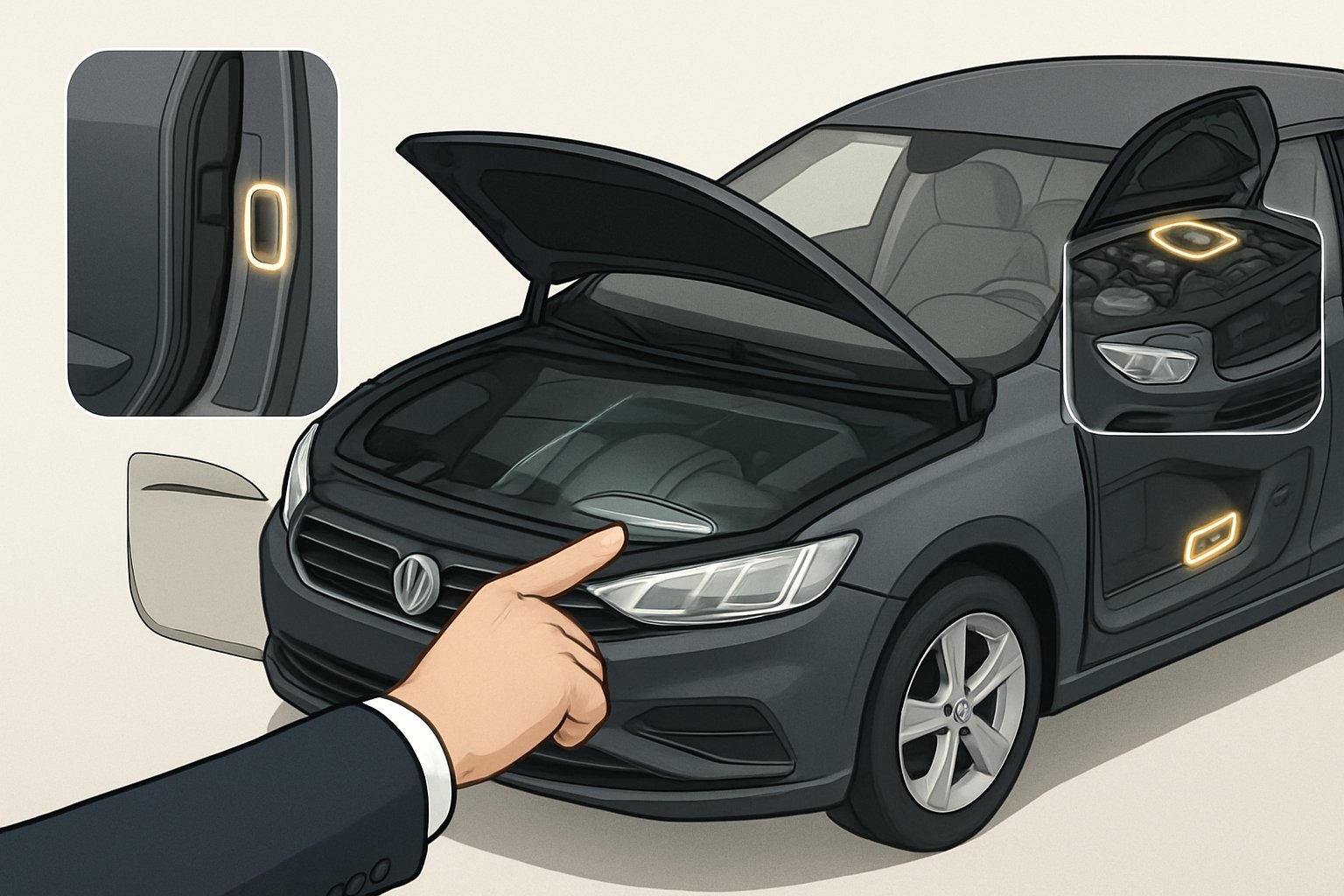
Sometimes, you just can’t find the VIN on the car itself. No worries—your vehicle registration, insurance card, or title should have it printed clearly.
Knowing where to look really matters, whether you’re double-checking your car’s identity or dealing with insurance claims.
At Fast Lane Collision, we know how important it is to get the right info about your vehicle. We always suggest you rely on trusted professionals for help with VINs or any other details—mistakes or mix-ups can cause a real headache later.
Key Takeaways
- You can see the VIN through the driver’s side windshield or inside the driver’s door.
- Important vehicle documents also show the VIN.
- Trusting professionals keeps your vehicle info accurate and safe.
Where to Find the VIN on Your Vehicle
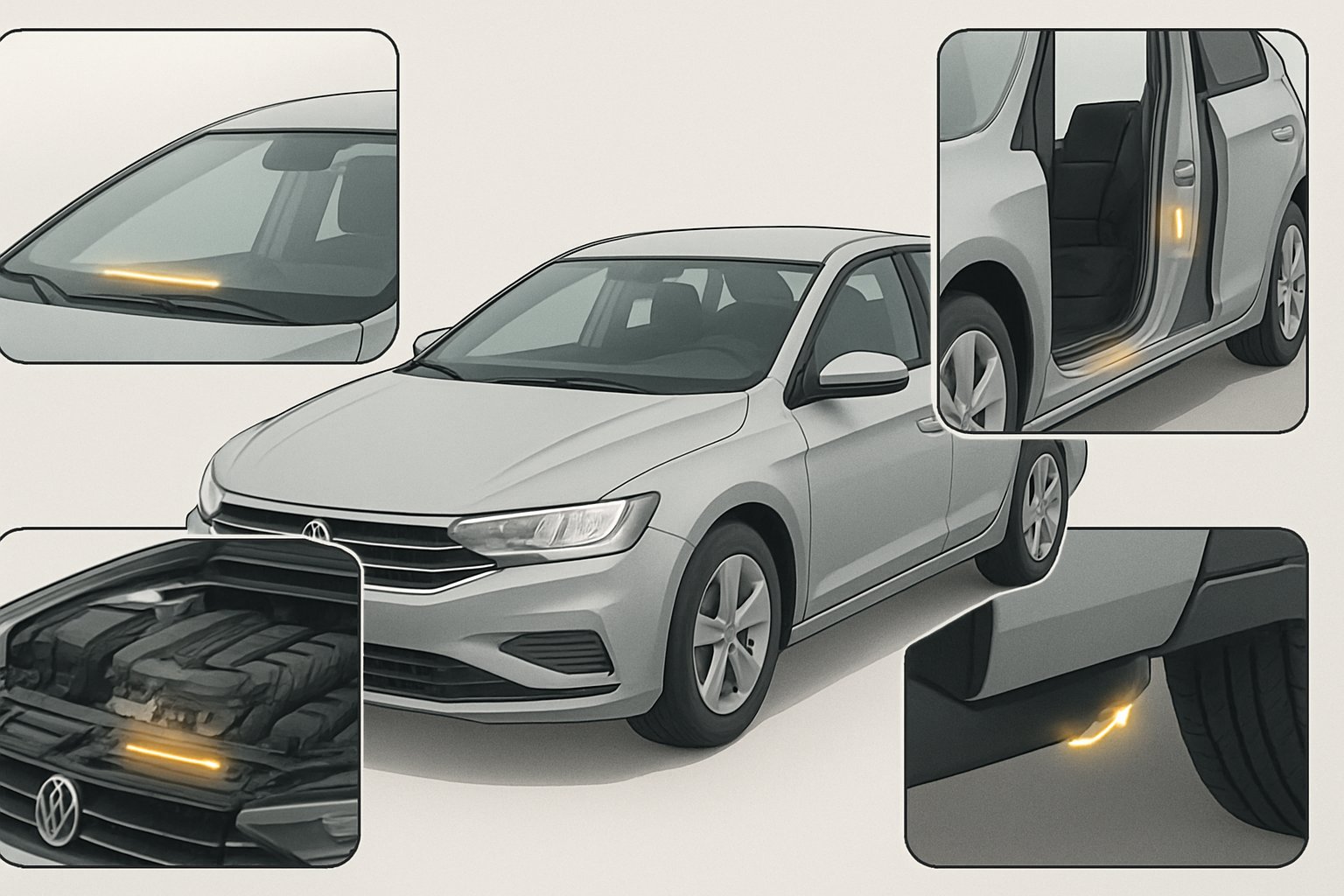
You’ll find the VIN in a few standard spots on your car. It’s good to know these locations, especially when you need repairs or have to deal with insurance.
We always tell people to check these places first.
Driver’s Side Dashboard Location
Most folks find the VIN right on the driver’s side dashboard, close to the windshield. Just sit in the driver’s seat and glance at the lower left corner, right where the dashboard meets the glass.
If you step outside the car and look through the windshield, you should see it too.
Manufacturers usually stick the VIN on a metal plate or sticker with 17 characters—letters and numbers mixed together. The location keeps it safe from weather and tampering.
Our team at Fast Lane Collision in Alexandria, Virginia, can spot this in seconds. We’ll check that it’s real and make sure no one’s messed with it.
Driver’s Door Jamb or Pillar
Another solid place to look is the driver’s door jamb or pillar. Open the door and check near the latch.
You’ll see the Federal Safety Certification label with the VIN printed right there.
This label should look shiny and undamaged. If the door’s ever been replaced or fixed, double-check the VIN here.
At Fast Lane Collision, our certified staff—whether it’s GM, KIA, or Hyundai—can make sure the VIN matches up with your records.
Other Physical VIN Placements
You might also find the VIN in less obvious spots. Pop the hood and check the firewall near the engine; sometimes you’ll see a VIN plate or at least part of the number.
Some cars hide a VIN above the rear driver’s side tire or under the spare tire in the trunk.
These aren’t the first places you’ll look, but our crew at Fast Lane Collision knows how to find them. We always check every spot during a full inspection.
Choosing a reputable shop like ours means you’ll get a thorough, accurate VIN check. That’s huge for insurance, repairs, and resale.
We work on all sorts of certified vehicles, from Chrysler to Assured Performance, so you can relax knowing we’ll handle it right.
Alternative Ways to Obtain or Verify Your VIN
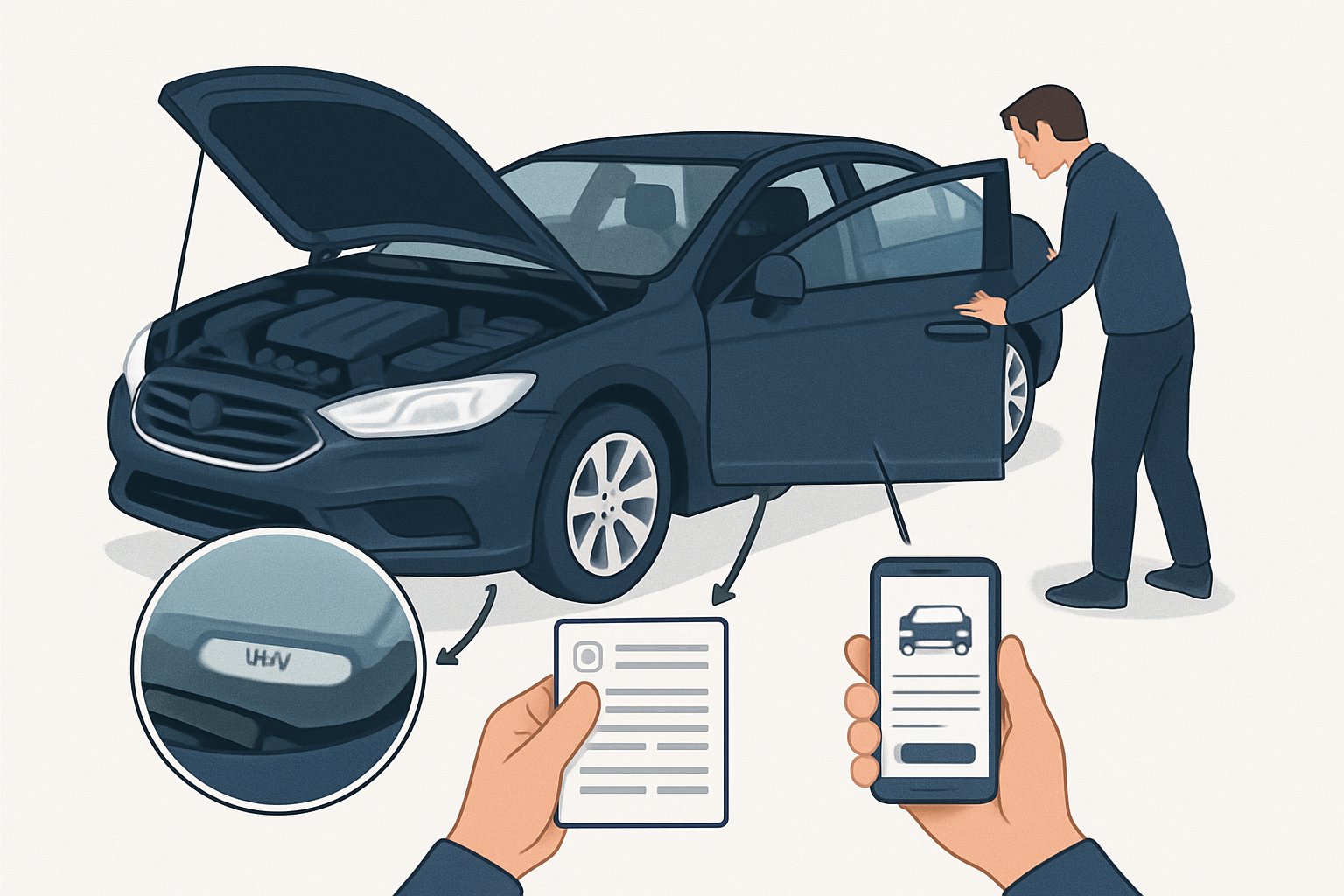
You’ve got other options if the VIN on your car isn’t easy to spot. Official documents and a few other resources can help you find or confirm your VIN.
This comes in handy for repairs or insurance claims, especially if your car’s not right in front of you.
Vehicle Title and Registration Documents
Your vehicle title and registration are some of the best places to check. The title has the 17-character VIN printed clearly, usually at the top or bottom.
It’s the legal ID for your car, and you’ll need it for almost anything official.
Registration documents list the VIN too. This helps the DMV keep your car’s records straight.
If you’re dealing with collision repair, dent removal, or bumper repair, always use the VIN from your paperwork. It speeds up insurance approvals and matches your car to the right automotive refinishing or parts.
Keep these papers somewhere safe. They’re a quick backup if your car’s at the shop or out of reach.
Insurance Policy and Claims Documents
Your insurance policy will have the VIN, usually on the main page or in the claims paperwork.
When you file for collision repair or scratch repair, you’ll need the right VIN to keep things moving smoothly.
If you can’t find your documents, give your insurance agent a call—they can confirm your VIN for you.
This is especially useful if your car’s at Fast Lane Collision for repairs and you need to double-check the info.
Make sure your insurance paperwork matches up so you don’t hit any snags with claims or coverage.
Owner’s Manual and Manufacturer Information
Sometimes the owner’s manual lists the VIN or points out exactly where to find it on your car. That’s helpful if the VIN plate is missing or got damaged.
Reach out to your car’s manufacturer or dealer if you’re stuck. They usually keep records and can confirm your VIN if you show proof of ownership.
This is a lifesaver for things like automotive refinishing or safety recalls, making sure you get the right parts and service.
If you ever need a replacement VIN plate, the dealer or manufacturer can help you out. That keeps your records straight and protects you from fraud.
Frequently Asked Questions
Knowing where to find your car’s VIN and how to use it can save you time and hassle. It pays to understand the different spots on your car and in your paperwork where the VIN pops up.
You should also know how to double-check and look up your vehicle’s info safely.
Where can I locate the VIN on my vehicle?
You’ll usually spot the VIN on the dashboard on the driver’s side. Just look through the windshield from outside.
It might also be on the inside edge of the driver’s door jamb.
Some cars have the VIN on the engine block, the frame near the windshield washer container, or under the spare tire in the trunk.
Is it possible to retrieve my car’s VIN from the registration documents?
Absolutely. Your vehicle registration card and title both show the VIN.
You might also find it on your proof of insurance or finance paperwork.
If you can’t find these documents, your local DMV can help you look up the VIN.
What methods are available for conducting a VIN lookup online?
You can use official sites like the National Insurance Crime Bureau to check a VIN.
Carfax and similar services offer vehicle history reports, which include accident and repair records.
These tools help you make sure the VIN is legit and steer clear of stolen or tampered cars.
Can I obtain my VIN number through the internet without cost?
Some websites offer free VIN lookups for basic info. You’ll usually see the make, model, and year.
For a full history report, though, you might have to pay. Stick with reputable sites to avoid bad info.
How can I check my vehicle’s specifications using the VIN?
When you decode your VIN, you’ll see details about where your car was made, the engine, the model year, and safety features.
You can find free and paid tools online to break down the VIN and show specs. This is handy for repairs, ordering parts, or just double-checking your car’s features.
Are there any reliable VIN number checks that are free of charge?
You can actually get a free VIN check for stolen vehicles from the National Insurance Crime Bureau. Some DMV websites toss in limited free VIN info too.
Honestly, those free checks are handy for a quick look, but they won’t give you the whole story. If you want the full service or maintenance history, you’ll probably need to go with a professional service.
At Fast Lane Collision, we always point folks to trusted sources for anything VIN-related. Keeping your vehicle info accurate and secure really matters to us.